After starting electrolysis, one of the most important questions clients ask is: “What should I do after my appointment?” Proper aftercare plays a major role in achieving the best possible results, especially for clients across Ottawa, Findlay Creek, Greely, Manotick, Riverside South, Hunt Club, Nepean, and Barrhaven who are committed to permanent hair removal.
We regularly guide clients through post-treatment care because even though electrolysis is precise and safe, the skin still needs time to recover. Good aftercare supports healing, prevents irritation, and helps ensure long-term skin health.
This guide explains exactly what to expect after electrolysis, what to avoid, and how to care for your skin to maximize results.
Why Aftercare Matters
Electrolysis works by treating individual hair follicles with controlled energy. After treatment, the skin may react temporarily.
Proper aftercare helps:
- Reduce redness and sensitivity
- Prevent irritation or infection
- Support faster healing
- Improve overall skin appearance
- Maximize long-term results
Clients in Ottawa, Nepean, and Barrhaven often notice that consistent aftercare leads to smoother, clearer skin over time.
What Your Skin May Look Like After Treatment
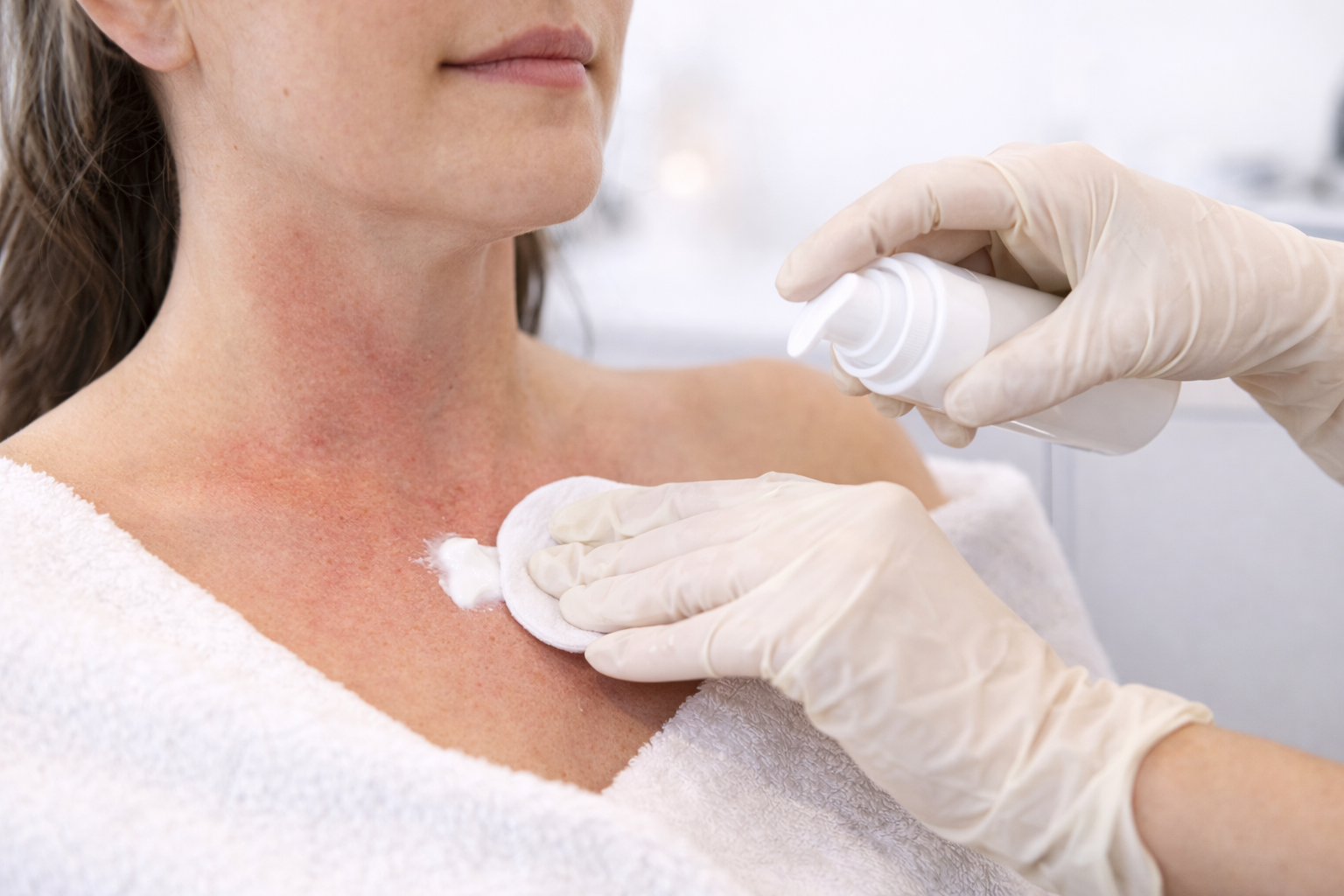
Immediately after electrolysis, it is normal to experience:
- Slight redness
- Mild swelling
- Warm sensation
- Temporary sensitivity
These reactions are typically short-lived and part of the natural healing process.
Clients in Riverside South, Hunt Club, and Findlay Creek often find that these effects fade within hours to a day, depending on the treatment area.
What to Do Right After Your Appointment
The first 24 hours are the most important for aftercare.
We recommend:
- Keeping the area clean
- Avoiding touching or picking at the skin
- Letting the skin breathe
- Using gentle, non-irritating products if needed
Simple care during this period helps prevent unnecessary irritation.
What to Avoid After Electrolysis
To protect the skin, certain activities should be avoided for a short period.
Avoid:
- Touching the treated area with unclean hands
- Applying heavy makeup immediately after facial treatment
- Using harsh skincare products (acids, retinoids)
- Excessive heat (saunas, hot tubs, steam rooms)
- Direct sun exposure
Clients across Ottawa and surrounding communities who follow these guidelines typically experience smoother recovery.
Sun Protection Is Essential
Sun exposure can increase sensitivity and lead to pigmentation changes after electrolysis.
We recommend:
- Avoiding direct sun exposure when possible
- Using gentle sun protection on treated areas
- Wearing protective clothing when outdoors
This is especially important for facial treatments in areas like the chin, upper lip, and neck.
Managing Redness and Sensitivity
Redness is a normal part of the process. To help calm the skin:
- Use cool compresses if needed
- Keep the area clean and dry
- Avoid friction or tight clothing on treated areas
Clients in Greely, Manotick, and Barrhaven often notice that gentle care helps redness resolve quickly.
Preventing Ingrown Hairs After Treatment
Electrolysis permanently removes follicles, but proper aftercare helps prevent irritation during the healing process.
We focus on:
- Keeping the area clean
- Avoiding shaving immediately after treatment
- Following professional guidance
Clients in Ottawa, Nepean, and Riverside South often see fewer ingrown hairs as treatment progresses.
Skincare Between Appointments
Maintaining a simple skincare routine between sessions supports better results.
We recommend:
- Gentle cleansing
- Avoiding over-exfoliation
- Keeping skin hydrated
- Following personalized recommendations
Healthy skin responds better to electrolysis and heals more efficiently.
Aftercare for Different Treatment Areas
Facial Areas (Chin, Upper Lip, Neck)
- Be extra gentle
- Avoid makeup immediately after treatment
- Protect from sun exposure
Underarms
- Avoid deodorant immediately after treatment if skin is sensitive
- Wear loose clothing
Bikini and Brazilian Areas
- Avoid friction and tight clothing
- Keep the area clean and dry
Clients across Ottawa, Findlay Creek, and Hunt Club benefit from tailoring aftercare to the specific treatment area.
Why Consistency Improves Results
Aftercare is part of a larger process. When combined with consistent appointments, it helps:
- Reduce irritation over time
- Improve skin clarity
- Support permanent results
Clients who follow both treatment schedules and aftercare guidance typically achieve better long-term outcomes.
Why Local Ottawa Support Matters
Having a local provider allows clients to receive ongoing guidance throughout their electrolysis journey.
We work with clients from:
- Ottawa
- Findlay Creek
- Greely
- Manotick
- Riverside South
- Hunt Club
- Nepean
- Barrhaven
Local support ensures that aftercare questions are addressed quickly and treatment stays on track.
Frequently Asked Questions About Electrolysis Aftercare
How long does redness last after electrolysis?
Typically a few hours to a day, depending on the area and sensitivity.
Can I wear makeup after facial electrolysis?
It is best to wait until the skin has calmed to avoid irritation.
Can I exercise after treatment?
It is recommended to avoid excessive sweating immediately after treatment.
Does aftercare really affect results?
Yes. Proper aftercare supports healing and improves long-term skin health.
Electrolysis Services in Ottawa and Surrounding Areas
We provide microscopic electrolysis, gender-affirming hair removal, GCS preparation, PCOS-focused treatment, ingrown hair removal, and professional extractions for clients throughout Ottawa, Findlay Creek, Greely, Manotick, Riverside South, Hunt Club, Nepean, and Barrhaven.
Our focus is permanent results, precision care, inclusive support, and long-term skin health.
Professional Call to Action
If you are starting electrolysis and want to ensure the best possible results, proper aftercare is essential. We invite you to learn more about our personalized treatment plans and expert guidance by visiting https://jeanineselectrolysis.ca/ and booking your consultation today.